If Spanish speakers use different words for penis depending on the country, setting, and person they are talking to. The standard Spanish word is pene. In casual speech, people may use slang terms such as pito, polla, verga, or chota. These words do not all have the same tone or meaning everywhere.
Some terms may sound playful among friends, while others can be vulgar or offensive. A word that is common in one Spanish-speaking country may sound unusual or rude in another. This matters when you are learning Spanish, watching Spanish-language films, reading online comments, or trying to understand a conversation.
This guide explains common terms, their general meanings, and important regional differences. The examples are for language learning, so you can recognize these words without accidentally using an inappropriate expression in the wrong setting.
What Is the Spanish Word for Penis?
The standard Spanish word for penis is pene (pronounced roughly PEH-neh). It is the clearest choice in medical, educational, and other neutral settings.
Spanish also has informal words for the same body part. Their meaning and tone depend on local usage.
| Spanish Word | General Meaning | Tone and Notes |
| Pene | Penis | Standard and neutral |
| Pito | Penis in some slang contexts | Informal; meaning varies by region |
| Polla | Penis in some varieties of Spanish | Vulgar in many contexts, especially in Spain |
| Verga | Penis in some slang contexts | Often vulgar; common in some Latin American varieties |
| Chota | Penis in some regional slang | Informal or vulgar in certain areas; meanings vary |
| Pija | Penis in some regional varieties | Can be vulgar; meaning changes by country |
These are not perfect synonyms. Some words have other meanings, and local speakers may understand them differently. When you need a word that is widely understood and respectful, pene is the safest choice.
Common Spanish Slang Words for Penis
1. Pito
Pito can mean penis in informal Spanish, particularly in some regional varieties. However, it can also mean a whistle or a small pipe, among other things.
The intended meaning depends on the sentence and the local context. Do not assume every use of pito refers to a body part.
2. Polla
Polla is a vulgar slang term for penis in Spain. It can also appear in expressions where the meaning is different, and usage varies across Spanish-speaking regions.
Because it can sound crude, it is best to recognize this word rather than use it casually with people you do not know well.
3. Verga
Verga is a strong slang term for penis in several Latin American varieties of Spanish. It is especially associated with informal speech and can appear in expressions of anger, surprise, or emphasis.
Its use and force differ between countries. In many situations, it is considered vulgar, so it is not suitable for formal conversation.
4. Chota
Chota has different regional meanings. In some places, it can be used as slang for penis, but it may refer to other things elsewhere.
Since its meaning is not universal, check the country and sentence before interpreting it. It is not a reliable word to use if you want to be understood by all Spanish speakers.
5. Pija
In some Spanish-speaking regions, pija is slang for penis. In other places, the same word can have a different meaning or be used in another way.
It may sound vulgar or informal. The local meaning matters more than a direct word-for-word translation.
How Spanish Slang Changes by Country
Spanish is spoken across many countries, and slang can change a lot from one place to another. A word that is familiar in Spain may not be the usual choice in Mexico, Argentina, Colombia, or other countries.
| Region | Language Note |
| Spain | Polla is a known vulgar term for penis. |
| Mexico | Verga is widely recognized as vulgar slang; pito can also be used informally. |
| Argentina and Uruguay | Pija can refer to penis in local slang, though meanings and tone depend on context. |
| Other Latin American countries | Words such as verga, pito, and chota may be understood differently by country or community. |
This table gives broad examples, not fixed rules for every speaker. Slang changes by region, age, and social group. If you are learning a particular variety of Spanish, look for examples from that country rather than relying on a general list.
Are These Spanish Words Rude or Offensive?
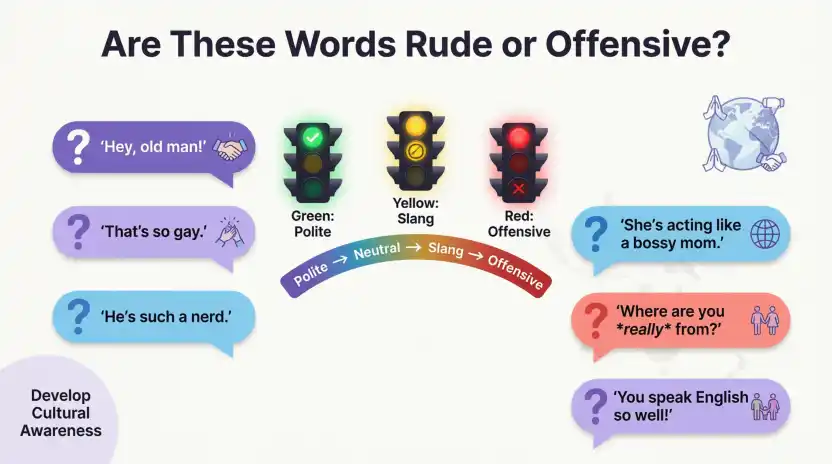
Some are neutral, while others are vulgar. The standard term pene is generally appropriate for health, education, or clear factual discussion. Words such as polla and verga can be crude, depending on the country and situation.
A slang word may be used jokingly between close friends, but that does not mean everyone will find it funny. Using a vulgar term in class, at work, with strangers, or in a formal message may cause offense.
When in doubt, use pene. It is better to be clear and respectful than to risk using a regional word incorrectly.
Where Might You See These Words?
Spanish slang can appear in different settings, but the context is important. A word used in a comedy clip may have a different tone from the same word used to insult someone.
| Setting | What to Keep in Mind |
| Films and TV | A slang word may show a character’s region, personality, or rough style of speech. |
| Social media | Comments may use slang for humor, shock, or emphasis. |
| Private messages | Close friends may use informal terms, but comfort levels differ. |
| Music and comedy | Vulgar terms may be used for artistic effect or humor. |
| Learning materials | Neutral vocabulary is usually best for explanations of the body. |
Do not assume a term is popular on TikTok, Instagram, or another platform just because it appears in a post. A specific example shows that someone used it, not that it is common across the whole platform.
Spanish Slang vs. Standard Spanish
The main difference is tone. A standard word is usually clearer and more appropriate across different settings, while slang can be informal, regional, or vulgar.
| Word | Best Use |
| Pene | Neutral, educational, medical, or formal discussion |
| Pito | Recognize as a regional informal term; check context |
| Polla | Recognize as vulgar slang in Spain |
| Verga | Recognize as strong, often vulgar slang in some Latin American varieties |
| Chota | Check regional meaning before interpreting it |
| Pija | Check the country and context because meanings vary |
Learning the standard word first helps you understand the topic without accidentally choosing a word that sounds rude.
Real-Life Language Examples
These examples show how context can affect meaning. They are included for vocabulary recognition, not as recommendations for everyday use.
Example 1: A Spanish Lesson
Student: ¿Cómo se dice “penis” en español?
Teacher: Se dice pene.
English meaning:
Student: How do you say “penis” in Spanish?
Teacher: You say pene.
The teacher uses the standard word because the setting is educational.
Example 2: Understanding a Film
A character in a Spanish film uses verga during an angry exchange.
The word may be vulgar slang or part of a stronger expression. The full sentence and the character’s country can help explain the exact meaning.
Example 3: Reading Regional Slang
Someone sees polla in a Spanish-language comment and looks it up.
If the writer is from Spain, it may refer to penis in a vulgar way. But the full sentence still matters because a word can appear in expressions with other meanings.
Common Mistakes to Avoid
- Treating every word as neutral: Some terms are vulgar and may offend people.
- Assuming all Spanish-speaking countries use the same slang: Regional meanings can differ.
- Using slang in a formal setting: Choose pene for neutral and educational discussion.
- Ignoring context: A word can have more than one meaning.
- Assuming a word is universal: Ask which country or variety of Spanish is being discussed when the meaning is unclear.
Key Takeaways
- Pene is the standard Spanish word for penis.
- Pito, polla, verga, chota, and pija can have slang meanings in certain regions.
- Some slang terms are vulgar, and their meaning varies by country.
- Context is essential when reading or hearing informal Spanish.
- Use pene when you need a neutral, widely understood word.
FAQs About Spanish Slang for Penis
1. What is the most common Spanish word for penis?
The standard Spanish word is pene. It is suitable for medical, educational, and neutral conversation. Slang words vary by country, and some can sound vulgar. If you are learning Spanish or speaking with people from different regions, pene is the clearest and safest word to use.
2. Is polla a bad word in Spanish?
In Spain, polla is a vulgar slang term for penis. It may sound crude or offensive in polite conversation. Its meaning can vary in other contexts, so the sentence matters. If you are unsure if it is appropriate, avoid using it and choose the neutral word pene instead.
3. What does verga mean in Spanish?
Verga can mean penis in slang, especially in several Latin American varieties of Spanish. It is often considered vulgar. It can also appear in expressions where its meaning is broader than the body part itself. The country, sentence, and speaker’s tone help determine how to understand it.
4. Does pito mean penis in every Spanish-speaking country?
No. Pito can refer to penis in some regional slang, but it also has other meanings, such as a whistle. Its use is not the same everywhere. When you see it in a message or hear it in a conversation, use the surrounding words and local context to work out the intended meaning.
5. Is Spanish slang for penis different in Mexico and Spain?
Yes. Slang choices and how rude they sound can differ between Mexico and Spain. For example, polla is a known vulgar term in Spain, while verga is recognized as strong slang in Mexico and other parts of Latin America. These are broad patterns, not rules for every speaker.
6. Which Spanish word should I use in a formal conversation?
Use pene. It is the standard term and is suitable for educational, medical, and neutral discussion. Slang can sound crude or unclear, especially when talking with someone from another country. Choosing the standard word helps you communicate clearly without accidentally causing offense.
7. Can these slang words be jokes between friends?
Some speakers may use vulgar slang jokingly with close friends. If it is funny or offensive depends on the people, the setting, and the relationship. Do not assume everyone is comfortable with the same words. If you do not know the person well, neutral language is the safer choice.
8. Why does Spanish slang change from country to country?
Spanish developed across many regions, each with its own local expressions, history, and social habits. As a result, slang can differ in meaning and tone between countries and communities. A word may be common in one place but unfamiliar or offensive elsewhere, so regional context is important when learning informal vocabulary.
Conclusion
Spanish has several informal terms for penis, but their meanings and tone depend on the region. Pene is the standard word and works well in educational, medical, and neutral settings. Terms such as pito, polla, verga, chota, and pija may have slang meanings in certain countries, but they are not interchangeable everywhere.
If you hear one of these words in a film, song, or online post, look at the full sentence and consider where the speaker is from. That will help you understand if the term is neutral, joking, or vulgar.
For Spanish learners, the best approach is to learn standard vocabulary first and treat regional slang as language to recognize in context. This makes it easier to understand real conversations while avoiding words that may sound rude or inappropriate.
Read more about!
- UK Slang Words Roadman: Meaning, Popular Terms & Examples
- Bitchin Slang: Meaning, Origin, Examples & How to Use It
- BTK Meaning Slang: Is It Common in Text Messages?

Hi, I’m Ryan Mitchell. I write simple guides about slang, internet language, and everyday English to make modern expressions easy to understand. My goal is to help learners use real-life English with confidence.