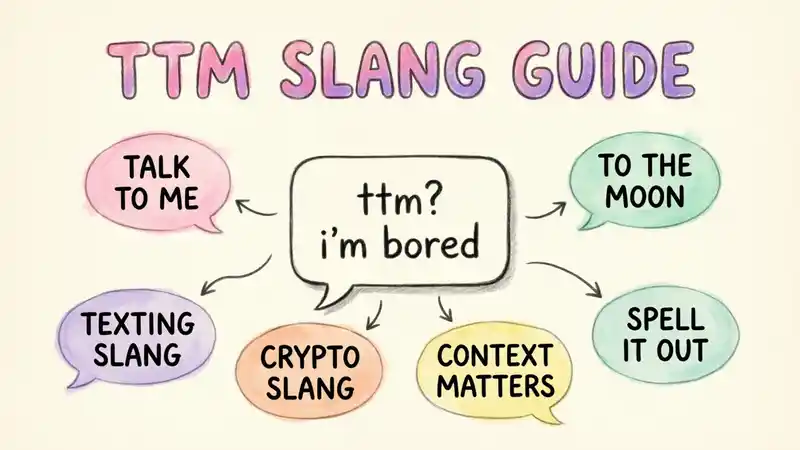
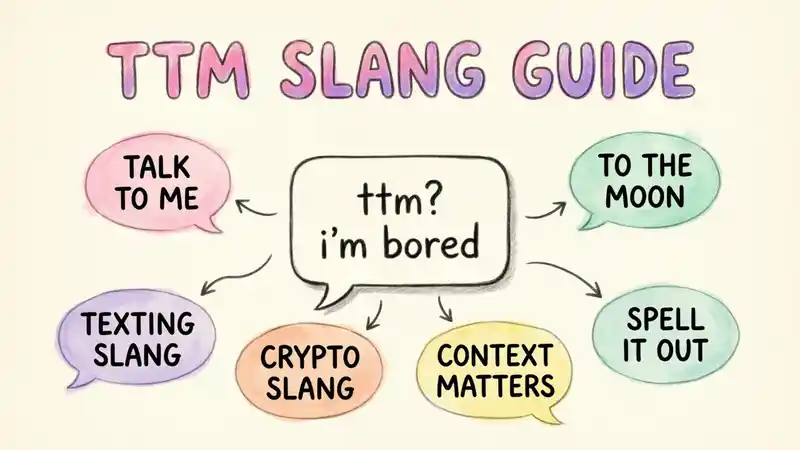
TTM slang usually means “Talk To Me” in text messages and online conversations. People use it when they want someone to start talking, reply to a message, explain something, or open up about what is happening.
If you searched for ttm slang, you may have seen the abbreviation in a text, comment, or private message and wondered what the three letters mean. The meaning is usually simple, but the tone can change depending on the situation.
A friend might use “TTM” as a friendly invitation to chat, while someone who is waiting for a reply may use it more directly.
This guide explains the TTM meaning in text, its full form, common uses, tone, examples, background, related abbreviations, and situations where writing the full phrase is clearer.
Quick Answer: TTM usually means “Talk To Me.” It is a casual way to ask someone to communicate, reply, or share what is on their mind.
What Does TTM Mean in Text?
TTM Means “Talk To Me”
In texting slang, TTM stands for “Talk To Me.” It is an informal abbreviation used to invite someone into a conversation or encourage them to respond.
For example:
“You seem quiet today. TTM.”
This means:
“You seem quiet today. Talk to me.”
The sender may simply want to chat, or they may be asking the other person to explain how they feel.
TTM Can Encourage Someone to Open Up
TTM is not always a simple request for a reply. It can also show that someone is willing to listen.
For example:
“If something is bothering you, TTM.”
Here, the message means that the person can talk about the problem if they want to.
That makes TTM useful for both casual conversation and supportive messages.
What Does TTM Stand For?
Full Form of TTM
The most common slang full form is:
TTM = Talk To Me
The abbreviation takes the first letter of each word:
- T = Talk
- T = To
- M = Me
It is generally described as an internet or text-messaging initialism rather than a formal English word. Slang.net lists “Talk to me” as the main meaning and gives examples of TTM being used to invite conversation.
What Does TTM Stand For in a Message?
If someone sends:
“TTM when you get a chance.”
they are saying:
“Talk to me when you get a chance.”
The abbreviation makes the message shorter while keeping the basic meaning clear.
Is TTM Rude, Offensive, or Neutral?
TTM Is Usually Neutral or Friendly
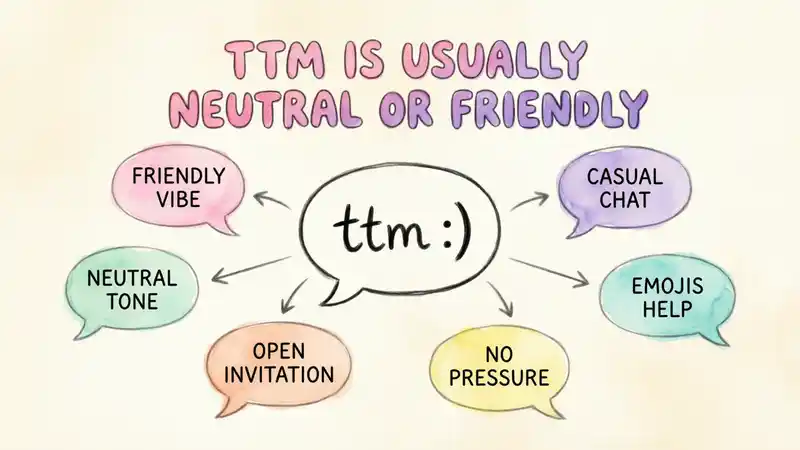
TTM is generally not offensive. In most casual conversations, it simply means that someone wants to talk.
For example:
“TTM, I want to hear what happened.”
This sounds interested and friendly.
TTM Can Sound Direct
The tone depends on how it is used.
Compare:
“TTM :)”
with:
“TTM. Now.”
The first can sound relaxed. The second sounds much more demanding.
The abbreviation itself is not rude. The surrounding words, punctuation, and situation help determine the tone.
TTM Can Show Support
Someone may use TTM when they notice that a friend seems upset or quiet.
“You don’t seem like yourself today. TTM if you want.”
This communicates that the person is available to listen.
Where Is TTM Commonly Used?
Text Messages
Texting is one of the main places where TTM appears.
People may use it when:
- They want to start a conversation
- They want a reply
- They want someone to explain something
- They want to reconnect
- They want someone to open up
Snapchat
In casual Snapchat messages, TTM can be used as a quick invitation to chat.
For example:
“TTM when you’re free.”
The meaning is simply “talk to me when you’re free.”
TTM can appear in direct messages, comments, or casual conversations when someone wants another person to respond or communicate.
The meaning remains “Talk To Me” when the context is a normal conversation.
TikTok
People may use TTM in casual online interactions, especially when inviting someone to continue a conversation.
However, the meaning should always be judged from the surrounding text rather than assuming every appearance has the same meaning.
Discord and Gaming Chats
TTM can also fit quick conversations in gaming or community chats.
For example:
“TTM after the match.”
This means:
“Talk to me after the match.”
Because gaming chats often move quickly, short abbreviations can be convenient.
How Is TTM Used in Real Conversations?
Friendly Example
“Hey, TTM! How was your weekend?”
Here, TTM is a warm invitation to start talking.
Casual Example
“I’m bored. TTM.”
The person is simply asking someone to chat.
Supportive Example
“You look stressed. TTM if you need someone.”
Here, TTM suggests that the sender is ready to listen.
Asking for More Information
“You said something happened. TTM about it.”
The sender wants the other person to explain what happened.
Asking Someone to Reply
“TTM when you get home.”
This means “talk to me when you get home.”
Gaming Example
“TTM after this round.”
The person wants to talk after the current game or round.
Social Media Example
“TTM in DMs.”
This means the person wants someone to contact them privately.
What Does TTM Mean on Social Media?
TTM Usually Means “Talk To Me”
On social media, TTM generally keeps the same meaning as it does in texting: Talk To Me.
It can be used to:
- Invite messages
- Encourage conversation
- Ask for a response
- Show interest
- Continue an existing conversation
The exact tone depends on the post, comment, or message.
TTM Does Not Have One Fixed Tone
A short “TTM” can sound playful between friends.
It can also sound impatient if someone has been waiting for a response.
For that reason, context is important when interpreting the abbreviation.
Origin and Background of TTM
How Did TTM Develop?
There is no reliable evidence pointing to one specific person who invented TTM.
It follows a common pattern in digital communication: people shorten familiar phrases into initials to make messages quicker to type.
Recorded slang-dictionary entries show that “TTM” meaning “Talk To Me” has been used online for many years. Urban Dictionary contains entries for this meaning dating back to 2007 and 2010, although user-submitted entries should be treated as evidence of recorded usage rather than proof of the exact invention date.
Is TTM Gen Z Slang?
TTM is used by younger people online, but it should not be described as a slang term invented by Gen Z.
The abbreviation has been documented in online communication for well over a decade. Its use can vary from one person or online community to another.
TTM vs. Similar Texting Slang
TTM has a few related abbreviations, but they do not all mean exactly the same thing.
| Slang | Meaning | Main purpose |
| TTM | Talk To Me | Invite conversation |
| TTML | Talk To Me Later | Ask to talk later |
| TTMN | Talk To Me Now | Ask for immediate conversation |
| DTTM | Don’t Talk To Me | Ask someone not to communicate |
| DM | Direct Message | Move a conversation to private messages |
Some of these variations are documented in online slang references, but usage can vary between communities.
TTM vs. DM
TTM means “Talk To Me.”
DM means “Direct Message.”
For example:
“TTM when you’re free.”
asks someone to talk.
“DM me when you’re free.”
specifically asks them to send a private message.
When Should You Avoid Using TTM?
Formal Emails
TTM is casual internet slang, so it is usually better to write the full phrase in a formal email.
Instead of:
“TTM about the project.”
write:
“Please contact me to discuss the project.”
School Assignments
Avoid using TTM in formal essays or assignments unless the topic is specifically about slang, texting, or online communication.
Professional Communication
In a professional setting, “Talk to me” may be clearer and more appropriate than TTM.
Serious Conversations
If someone is discussing an important personal issue, simply writing “TTM” may feel too short.
A fuller message can communicate more care:
“If you want to talk about it, I’m here to listen.”
This makes your intention clearer.
Polite Alternatives to TTM
Casual Alternatives
You can replace TTM with:
- Talk to me
- Tell me about it
- Message me
- Let me know
- What’s going on?
- Want to talk?
- I’m listening
More Supportive Alternatives
If someone seems upset, try:
“If you want to talk, I’m here.”
Or:
“You can tell me what’s going on if you’d like.”
These phrases are clearer and warmer than a short abbreviation.
Why Do People Use TTM?
It Saves Time
Typing three letters is faster than typing “Talk To Me.”
It Fits Casual Chats
TTM feels natural in informal conversations where people already understand texting abbreviations.
It Encourages Conversation
The abbreviation gives someone a quick signal that the sender wants to hear from them.
It Can Show Interest
When someone says “TTM about your day,” they are showing that they want to know more.
It Works in Short Messages
A message such as:
“TTM later?”
can communicate a complete idea with only a few characters.
Impact of TTM on Communication
Positive Effect
TTM can make communication:
- Faster
- More casual
- More direct
- Easier in fast-moving chats
It can also make a message feel friendly when used between people who regularly use texting slang.
Possible Negative Effect
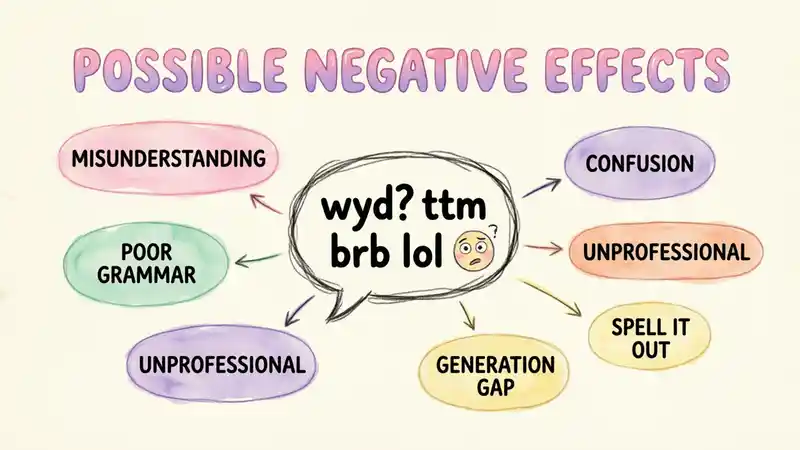
Abbreviations can sometimes create confusion.
Someone unfamiliar with TTM may not know what it means. A very short message can also appear cold or demanding depending on the context.
For important conversations, using the complete phrase is often clearer.
Is TTM Safe for Social Media?
The Slang Itself Is Harmless
TTM is simply an abbreviation for “Talk To Me.” There is nothing inherently unsafe or offensive about the slang itself.
However, the context of any online conversation matters. A person should still use normal privacy and communication boundaries when talking with people online.
Think About the Audience
If you use TTM publicly, remember that different people may interpret abbreviations differently.
A clearer phrase such as “Message me if you want to talk” may be better when you want everyone to understand your meaning.
Common Misunderstandings About TTM
TTM Does Not Always Mean the Same Thing
In ordinary texting, “Talk To Me” is the main slang meaning. But abbreviations can have different meanings in specialized settings.
If TTM appears outside a casual conversation, check the surrounding information before deciding what it means.
TTM Is Not the Same as TTYL
TTM means “Talk To Me.”
TTYL means “Talk To You Later.”
They express very different ideas.
TTM Is Not a Formal Abbreviation
TTM is best understood as casual internet and texting language.
It should not automatically be used in formal writing simply because the reader may understand it.
Frequently Asked Questions
1. What does TTM mean in slang?
TTM usually means “Talk To Me.” It is a casual abbreviation used to invite someone to talk, respond, or share something.
2. What does TTM stand for in text?
TTM stands for “Talk To Me.” It is commonly used in text messages and online chats.
3. Is TTM rude?
TTM is usually neutral or friendly. However, a short message such as “TTM now” can sound demanding depending on the situation.
4. What does TTM mean on Snapchat?
On Snapchat, TTM generally means “Talk To Me.” Someone may use it to invite you to start or continue a conversation.
5. What does TTM mean on Instagram?
TTM usually means “Talk To Me” on Instagram as well. It can invite someone to reply, send a message, or continue chatting.
6. What is the difference between TTM and DM?
TTM means “Talk To Me,” while DM means “Direct Message.” TTM describes the request to communicate; DM refers to the private messaging method.
Conclusion
TTM slang most commonly means “Talk To Me.” It is a short, casual expression used when someone wants another person to start talking, reply, explain something, or continue a conversation.
The meaning is usually friendly or neutral, but tone depends on the surrounding message. “TTM :)” can feel relaxed, while “TTM now” can sound more demanding.
You may see TTM in text messages and casual online conversations, including social media and gaming chats. The abbreviation has been documented in online slang usage for many years, although there is no reliable evidence for one exact inventor or starting date.
For casual conversations, TTM is simple and useful. For school, work, or formal communication, writing “Talk To Me” or a clearer full sentence is usually the better choice.
Read more about!
- What Does Shark Mean in Slang? Meaning and Uses
- Stomach in Spanish Slang: Meanings, Words, and Everyday Use
- What Does Preppy Mean in Slang? Meaning, Origin & How People Use It
- Mofongo Slang Explained: Meaning, Origin, and Usage
Hi, I’m Ryan Mitchell. I write simple guides about slang, internet language, and everyday English to make modern expressions easy to understand. My goal is to help learners use real-life English with confidence.