up date 2026
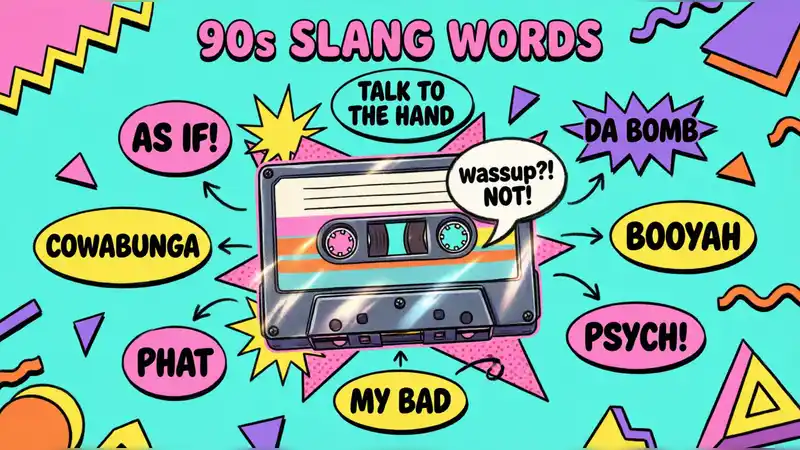
1990 slang words can make old movies, songs, TV shows, and conversations much easier to understand. If you have heard expressions such as “da bomb,” “my bad,” “as if!,” or “talk to the hand,” you may wonder what they meant and why people used them so often.
Many popular expressions from the 1990s spread through music, television, movies, schools, friendships, and everyday speech. Some were created before the decade but became widely popular during the 1990s, so not every “90s slang” term actually started in 1990.
Today, these expressions may appear in nostalgic posts, memes, captions, entertainment, or conversations about 1990s culture. Some are still understood, while others now sound distinctly retro.
Quick Answer
1990 slang words are informal words and phrases that were widely used or became especially popular during the 1990s. They often expressed excitement, approval, disagreement, humor, friendship, or attitude.
What Do 1990 Slang Words Mean in Text?
1990 slang words can have different meanings depending on the expression and the situation. Unlike many modern texting terms, most 1990s slang was originally spoken rather than created for phones or social media.
For example, “my bad” means “my mistake,” while “da bomb” describes something excellent or impressive. “As if!” can express disbelief, and “talk to the hand” is a dismissive way of saying that someone does not want to listen.
When people use these expressions in text today, they are often using them for humor, nostalgia, or a retro 1990s style rather than ordinary everyday communication.
Common Meanings of 1990s Slang
Here are some common ideas expressed by 1990s slang:
- Approval: “da bomb,” “fly,” “fresh”
- Agreement: “word”
- Apology: “my bad”
- Disbelief: “as if!”
- Relaxation: “chillax”
- Leaving: “bounce”
- Celebration: “booyah”
- Disagreement or dismissal: “talk to the hand”
- Surprise or excitement: “schwing”
Popular 1990 Slang Words and Phrases
1. Da Bomb
“Da bomb” meant that something was excellent, impressive, or really cool. The phrase became strongly associated with 1990s culture, and the 1993 Kriss Kross song “Da Bomb” helped popularize it.
Example: “That new game is da bomb!”
2. All That
“All that” described someone or something considered impressive, attractive, or excellent. The phrase existed before the 1990s, but it became much more widely recognized during the decade.
Example: “He thinks he’s all that.”
It could be sincere or sarcastic depending on the speaker’s tone.
3. As If!
“As if!” was a sarcastic way to express disbelief or disagreement. It became strongly associated with the 1990s after its memorable use in Clueless.
Example: “You think I’m going to believe that? As if!”
4. My Bad
“My bad” means “my mistake” or “my fault.” It is a casual way to accept responsibility for a small error.
Example: “I forgot to call you back. My bad.”
5. Word
“Word” could be used as an informal expression of agreement, approval, or understanding. Its slang meaning became especially prominent in the 1990s.
Example: “That was a great movie.”
“Word.”
6. Fly
“Fly” meant stylish, attractive, or cool. The slang sense has roots in African American Vernacular English and became widely used in American popular culture during the 1990s.
Example: “Those sneakers are fly.”
7. Fresh
“Fresh” could describe something new, stylish, cool, or impressive. It was commonly associated with music, clothing, and youth culture.
Example: “That jacket looks fresh.”
8. Buggin’
“Buggin’” could mean overreacting, freaking out, behaving strangely, or not thinking clearly. The expression became recognizable through hip-hop culture and 1990s popular entertainment.
Example: “You’re buggin’ if you think that’s a good idea.”
9. Kickin’ It
“Kickin’ it” meant relaxing or spending time with friends.
Example: “We’re just kickin’ it at home.”
The phrase usually had a relaxed and friendly tone.
10. Talk to the Hand
“Talk to the hand” was a dismissive expression meaning that the speaker did not want to listen. It was often accompanied by an open-hand gesture. The phrase became strongly associated with 1990s pop culture, with Martin often credited with helping popularize it.
Example: “You keep complaining, but talk to the hand.”
11. Booyah
“Booyah” was an excited expression used to celebrate success, victory, or happiness. Its mainstream popularity in the 1990s is strongly associated with sports broadcaster Stuart Scott.
Example: “We won the match booyah!”
12. Duh
“Duh” was used to point out that something seemed obvious.
Example: “Of course I brought my homework. Duh!”
It can sound playful, but it can also sound sarcastic or insulting.
13. Hella
“Hella” was used as an informal intensifier meaning “very” or “extremely.”
Example: “That movie was hella funny.”
Its use has regional roots, particularly in Northern California, before becoming more widely recognized.
14. Phat
“Phat” was used as a positive slang term for something cool, excellent, or impressive. The spelling has a long history and was not invented in the 1990s, although its use as a synonym for “cool” became especially prominent around that era.
Example: “That beat is phat.”
15. Jiggy
“Jiggy” could describe being stylish, energetic, or enjoying oneself. Will Smith’s 1997 hit helped make the expression widely recognizable, although the word itself is older.
Example: “Everyone was getting jiggy at the party.”
16. Chillax
“Chillax” combines “chill” and “relax” and means to relax or take it easy.
Example: “Chillax, we still have plenty of time.”
17. Gotta Bounce
“Gotta bounce” meant “I have to leave.”
Example: “It’s getting late, so I gotta bounce.”
It was casual and friendly rather than formal.
18. Props
“Props” meant respect, praise, or credit.
Example: “Give her props for finishing the project.”
It was commonly used when someone deserved recognition.
19. Tight
“Tight” could describe something cool, impressive, or excellent. In some contexts, it could also describe a close friendship or relationship.
Example: “That new song is tight.”
The exact meaning depends on context.
20. Psych!
“Psych!” was used after deliberately saying something misleading or surprising to reveal that it was a joke.
Example:
“You won the prize!”
“Really?”
“Psych!”
The expression was commonly associated with playful 1990s speech.
21. Wassup?
“Wassup?” is an informal spelling of “What’s up?” and works as a casual greeting or question about what someone is doing.
Example: “Wassup? Haven’t seen you in ages!”
22. Rad
“Rad” is short for “radical” and was used to mean cool or impressive. It was strongly associated with informal youth language around the 1980s and 1990s.
Example: “That skateboard is rad.”
23. Fo’ Shizzle
“Fo’ shizzle” is a playful way of saying “for sure” or “definitely.” Although its strongest mainstream association came later, its linguistic roots and -izzle usage connect to 1990s hip-hop culture.
Example: “Are you coming with us?”
“Fo’ shizzle.”
24. Schwing!
“Schwing!” was a humorous exclamation of excitement or attraction associated with 1990s pop culture, especially Wayne’s World.
Example: “You got front-row tickets? Schwing!”
25. Sup
“Sup” is a shortened form of “What’s up?” and works as a very casual greeting. It was common in informal 1990s speech and writing.
Example: “Sup? How have you been?”
1990 Slang Words: Meaning and Tone
The same slang term can feel different depending on how it is used. Understanding tone is important because slang is often more about attitude than literal meaning.
Positive Slang
These expressions generally communicate approval or praise:
- Da bomb
- Fly
- Fresh
- Rad
- Phat
- Tight
Example: “That new jacket is fresh.”
Casual Slang
These terms make conversation sound relaxed and informal:
- My bad
- Sup
- Wassup?
- Kickin’ it
- Gotta bounce
- Chillax
Example: “Sup? We’re just kickin’ it.”
Sarcastic Slang
Some expressions can show disbelief or sarcasm:
- As if!
- Duh
- No duh
- All that
Example: “You think I forgot? Duh!”
Dismissive Slang
“Talk to the hand” is the clearest example. It can be playful between friends but rude in a serious conversation.
Are 1990 Slang Words Rude, Offensive, or Neutral?
Most 1990 slang words are informal rather than offensive. However, the tone can change depending on the expression and situation.
“My bad” is generally harmless when someone admits a small mistake. “Props” is normally positive because it gives someone credit.
On the other hand, “duh” can make someone feel foolish, while “talk to the hand” is openly dismissive.
Some slang also has cultural histories that should not be ignored. Several expressions associated with 1990s mainstream culture came from African American English or hip-hop communities before becoming more widely known.
Generally Neutral Expressions
Examples include:
- My bad
- Sup
- Chillax
- Props
- Gotta bounce
Expressions That Can Sound Rude
Examples include:
- Duh
- No duh
- Talk to the hand
- As if!
The best choice depends on who you are talking to and why.
Where Is 1990s Slang Commonly Used?
Television and Movies
Television and movies were major ways slang spread during the 1990s. Popular characters could turn a phrase into something people repeated in everyday conversation. “Talk to the hand,” for example, became strongly linked with 1990s television culture.
Music and Hip-Hop
Music, especially hip-hop, played a major role in spreading vocabulary and slang. Some terms moved from specific communities into wider popular culture through songs and artists.
Schools and Friend Groups
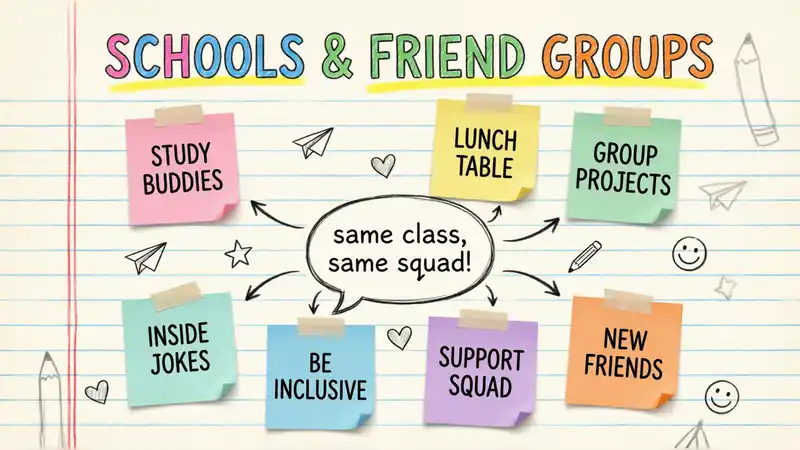
Young people often spread slang through conversations, notes, jokes, and social groups. Before social media, slang could travel through ordinary face-to-face communication and phone conversations.
Modern Online Conversations
Today, 1990s slang can appear in online posts, comments, memes, captions, and nostalgic discussions. It is often used intentionally to create a retro feel rather than because it is someone’s everyday vocabulary.
Real-Life Examples of 1990s Slang
Friendly Conversation
“Sup? What are you doing later?”
“Nothing much. Just kickin’ it.”
This sounds relaxed and friendly.
Giving a Compliment
“Your new shoes are fly.”
“Thanks!”
Here, “fly” is a positive comment about someone’s style.
Taking Responsibility
“I accidentally sent you the wrong picture. My bad.”
“My bad” makes the apology informal and conversational.
Showing Agreement
“I think we should watch that movie.”
“Word.”
Here, “word” communicates agreement or approval.
Celebrating
“We finally finished the project!”
“Booyah!”
The expression adds excitement to the celebration.
Playful Joke
“I bought you a new car!”
“Seriously?”
“Psych!”
The final word reveals that the statement was a joke.
Argumentative Context
“You need to listen to me.”
“Talk to the hand.”
This sounds dismissive and can make the conversation more confrontational.
Social Media Context
Someone might post:
“Found my old 90s jacket. This thing is still fly!”
Here, the slang is being used mainly for humor and nostalgia.
Comparison of Similar 1990s Slang
| Slang term | Meaning | Tone |
| Da bomb | Excellent | Positive |
| Fly | Stylish or cool | Positive |
| Fresh | Cool or impressive | Positive |
| Rad | Cool | Positive |
| My bad | My mistake | Casual |
| Word | I agree | Friendly |
| As if! | No way / I don’t believe it | Sarcastic |
| Duh | Obviously | Sarcastic |
| Chillax | Relax | Casual |
| Talk to the hand | I don’t want to listen | Dismissive |
These expressions are similar in that they are informal, but they do not serve the same purpose. “Fly” is a compliment, while “my bad” is an admission of a mistake.
Origin and Background of 1990s Slang
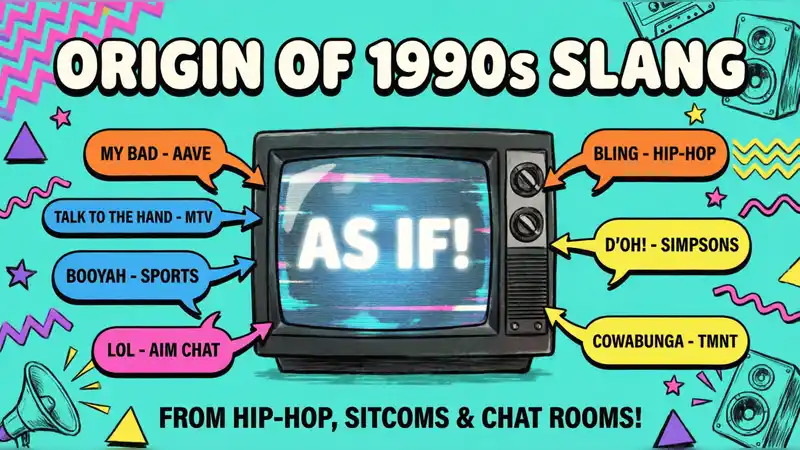
Television and Movies
Entertainment had a major influence on how expressions spread. A phrase could become popular after appearing repeatedly in a successful television show or movie.
The phrase “as if!” became especially associated with Clueless, while “talk to the hand” became a recognizable 1990s pop-culture expression.
Hip-Hop and African American English
Hip-hop was an important source and amplifier of slang during the decade. Terms such as “fly” and “phat” have histories connected to African American English and hip-hop culture.
It is important not to assume that mainstream popularity means a word originated in the 1990s. Many terms had older roots.
Youth Culture
Teenagers and young adults helped spread slang through schools, friendships, music, and entertainment.
Changing Language
The 1990s also show how slang changes over time. Some terms disappeared, some survived, and others developed new meanings.
For example, “sup” remains understandable today, while “talk to the hand” is more likely to sound nostalgic or humorous.
When Should You Avoid Using 1990s Slang?
Formal Writing
Avoid slang in academic essays, formal reports, and official documents unless you are specifically discussing the language itself.
Professional Communication
A phrase such as “my bad” may be acceptable among friends, but “I apologize for the mistake” is usually clearer and more professional in formal communication.
Serious Conversations
Avoid dismissive expressions such as “talk to the hand” when discussing an important issue. The phrase can sound disrespectful.
When the Meaning Is Unclear
If you are talking to someone unfamiliar with 1990s slang, standard English may prevent confusion.
Polite Alternatives to 1990s Slang
Instead of “Talk to the Hand”
Say:
- “I don’t want to discuss this right now.”
- “Let’s talk about this later.”
- “I need some time to think.”
Instead of “My Bad”
In a formal setting, say:
- “I’m sorry.”
- “That was my mistake.”
- “I apologize for the error.”
Instead of “Duh”
Try:
- “That’s obvious.”
- “Yes, exactly.”
- “Of course.”
Instead of “Gotta Bounce”
Use:
- “I need to leave.”
- “I have to go now.”
- “I’ll see you later.”
These alternatives are clearer and work better in formal or unfamiliar situations.
Why Do People Use 1990s Slang?
To Express Personality
Slang can make a speaker sound relaxed, humorous, playful, or confident.
To Show Cultural Knowledge
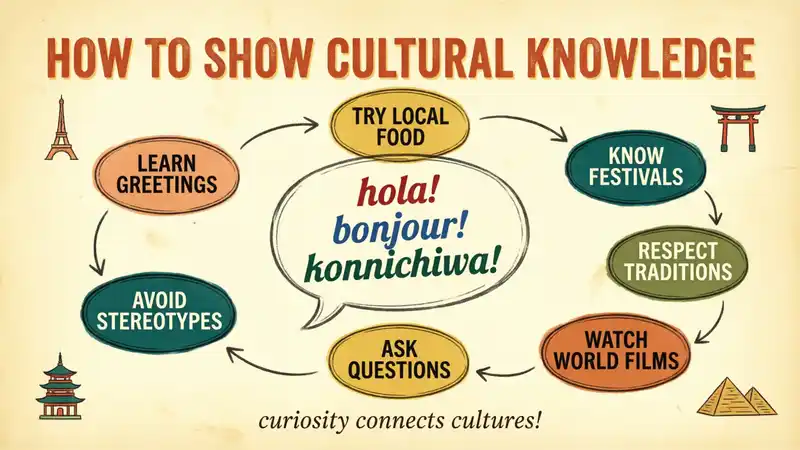
Using an old expression can signal familiarity with a particular era, movie, music style, or cultural moment.
To Create Humor
Modern speakers sometimes use 1990s slang because it sounds intentionally retro.
To Express Emotion Quickly
A single phrase such as “booyah!” can communicate excitement without needing a long explanation.
Impact of 1990s Slang on Communication
Slang makes communication more expressive, but it can also create misunderstandings.
A familiar phrase can make friends feel connected. At the same time, someone unfamiliar with the expression may misunderstand the speaker’s intention.
For example, “as if!” may sound funny to someone who knows its 1990s pop-culture meaning but confusing to someone who interprets it literally.
This is why context matters. Slang works best when the people involved understand the expression and its tone.
Is 1990s Slang Safe for Social Media?
Using Slang in Captions
Most 1990s slang is harmless in ordinary social posts. A retro phrase can make a caption feel playful or nostalgic.
Example:
“Found my old playlist. Da bomb!”
Using Slang in Comments
Before using a sarcastic phrase such as “duh” or “as if,” consider how the other person may interpret it.
Online, readers cannot always hear your tone of voice, so a joke can sometimes look more serious than intended.
Understanding Context Online
The safest approach is simple: use slang when the audience understands it and avoid expressions that could unnecessarily sound insulting or dismissive.
FAQs About 1990 Slang Words
1. What are 1990 slang words?
1990 slang words are informal expressions that were widely used or became popular during the 1990s. Examples include “da bomb,” “my bad,” “fly,” and “as if!”
2. What was the most popular 90s slang?
There was no single most popular 1990s slang term. Expressions such as “da bomb,” “my bad,” “as if!,” “fly,” and “talk to the hand” became highly recognizable during the decade.
3. What does “da bomb” mean in slang?
“Da bomb” means something is excellent, impressive, or very cool. The phrase became strongly associated with 1990s culture.
4. What does “my bad” mean?
“My bad” means “my mistake” or “my fault.” It is an informal way to accept responsibility for a small error.
5. What does “talk to the hand” mean?
“Talk to the hand” is a dismissive expression meaning that someone does not want to listen. It became strongly associated with 1990s popular culture.
6. Are 1990s slang words still used today?
Some are still understood and occasionally used, but many are now more common in nostalgic, humorous, or retro contexts than in everyday speech.
Conclusion
1990 slang words offer a useful look at the language and culture of the 1990s. Expressions such as “da bomb,” “my bad,” “fly,” “fresh,” “word,” “as if!,” and “talk to the hand” each had a different meaning and tone. Some showed approval, some expressed disagreement, and others made everyday conversations more playful.
It is also important to remember that not every 90s slang expression was invented during the 1990s. Many had older regional, cultural, or linguistic roots and simply became more popular during the decade.
Today, these expressions can still be useful when discussing 1990s culture, writing period-appropriate dialogue, or creating nostalgic content. The key is to understand the meaning and tone before using them.
Read more about!
- What Does Shark Mean in Slang? Meaning and Uses
- Stomach in Spanish Slang: Meanings, Words, and Everyday Use
- What Does Preppy Mean in Slang? Meaning, Origin & How People Use It
- Mofongo Slang Explained: Meaning, Origin, and Usage

Hi, I’m Nathan Collins. I create easy-to-understand English language content focused on internet slang, texting abbreviations, modern expressions, vocabulary, and word meanings. My goal is to help students, writers, professionals, and English learners communicate with confidence through clear explanations, practical examples, and reliable language guides.