Panocha slang is a term that can confuse people because its meaning changes depending on the country, culture, and conversation. In some Spanish-speaking regions, the word has a normal meaning connected to food, sugar, or corn.
However, in Mexican and several Latin American slang contexts, panocha can be a vulgar word for female genitalia.
This difference is important. Someone may use the word innocently when talking about traditional food, while another person may use it as rude slang. Because of this, many people search for “panocha slang” after seeing the word in a message, social media post, video, or conversation.
Understanding the context can help you avoid misunderstandings and use the word appropriately.
Quick Answer:
In slang, panocha is commonly used as a vulgar Spanish term for female genitalia in parts of Mexico, Central America, and other Spanish-speaking regions.
However, it can also have non-offensive meanings related to food, sugar, or corn depending on the location.
Where Is Panocha Commonly Used?
The Slang Meaning of Panocha
When used as slang, panocha is a vulgar term referring to female genitalia. The exact level of offensiveness depends on the country, social setting, and tone of the speaker.
It is not usually considered polite language. In many situations, it may sound crude, disrespectful, or sexually inappropriate.
If someone uses panocha in a text message, social media comment, or casual conversation, the surrounding words are important for understanding the intended meaning.
For example:
- A food-related conversation may use panocha in its traditional meaning.
- A joke between adults may use it as vulgar slang.
- An insult or inappropriate comment may use it in a disrespectful way.
Because the word has multiple meanings, context should always come first.
Panocha Meaning in Different Regions
Panocha does not mean exactly the same thing everywhere.
In some regions, it can refer to:
- A type of unrefined brown sugar
- A traditional sweet or food
- Corn or an ear of grain
- A vulgar slang term, depending on the country
This is why translating panocha with only one English meaning can sometimes be inaccurate.
Language authorities including the Asociación de Academias de la Lengua Española and the Academia Mexicana de la Lengua recognize these regional differences.
Panocha Full Form and Definition
Does Panocha Have a Full Form?
No. Panocha is not an abbreviation or acronym, so it does not have a full form.
Unlike texting terms such as LOL, BRB, or IMO, panocha is a complete Spanish word with different meanings depending on regional usage.
People searching for “panocha full form” are usually looking for the word’s meaning rather than an expanded version of the term.
What Does Panocha Stand For?
Panocha does not stand for separate words.
Its meaning comes from Spanish language usage and regional vocabulary. Historically, the word has been connected to meanings involving corn or grain, and it later developed different regional meanings.
Today, the word may refer to food in one place and vulgar slang in another.
Is Panocha Rude, Offensive, or Neutral?
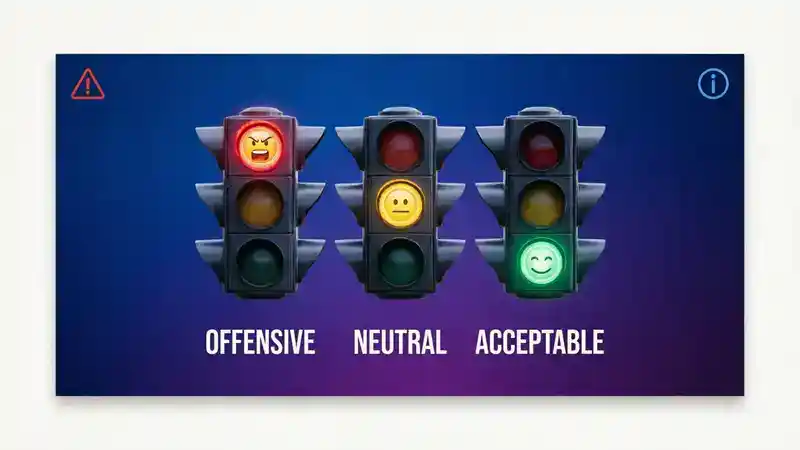
In Slang Contexts, It Can Be Vulgar
When panocha is used to refer to female genitalia, it is generally considered vulgar or inappropriate in polite conversation.
The strength of the word can vary by country and community. Some people may use it casually among close friends, while others may find it highly offensive.
For this reason, it is safer to treat panocha as a sensitive slang term rather than casual everyday vocabulary.
Context Changes the Meaning
The word itself is not always offensive.
For example, in Mexican food-related contexts, panocha can refer to unrefined brown sugar. In other regional traditions, it may refer to a type of food or corn-based product.
This creates an unusual situation where the same word can be completely harmless in one conversation and vulgar in another.
Is It Always an Insult?
No. Panocha is not automatically an insult.
However, when used as sexual slang, it can sound crude or disrespectful. Tone matters greatly.
A word can be:
- Neutral in a food discussion
- Vulgar in slang
- Offensive when used to insult someone
- Inappropriate in formal communication
Where Is Panocha Commonly Used?
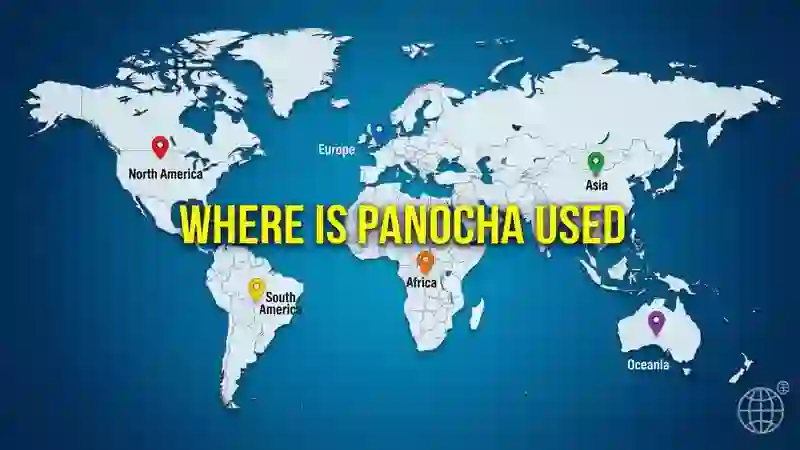
Mexico
In Mexico, panocha has more than one meaning. It can refer to a traditional form of unrefined brown sugar, but it can also be used as vulgar slang.
This difference makes context especially important.
Central and Latin American Spanish
The vulgar meaning is also documented in several Spanish-speaking regions, including parts of Central America, the Caribbean, and Latin America. However, the level of familiarity and offensiveness may vary from place to place.
Mexican-American and Spanish-Speaking Communities
The term may also appear in conversations among Spanish-speaking communities in the United States.
People who are unfamiliar with regional Spanish slang may misunderstand the word, especially because panocha can also appear in food and cultural contexts.
Social Media and Online Conversations
You may occasionally see panocha online in:
- Social media comments
- Memes
- Spanish-language jokes
- Informal chats
- Online videos
- Cultural discussions
However, it is not a universal internet abbreviation or mainstream Gen Z acronym.
Its meaning comes mainly from regional Spanish language and slang rather than from a specific platform.
Real-Life Examples of Panocha Usage
Friendly or Cultural Context
Example: “My grandmother uses panocha to make traditional sweets.”
In this sentence, panocha refers to a food ingredient or traditional sugar product.
The meaning is completely non-offensive.
Casual Conversation
Example: “Be careful with that word because it means something different in Mexico.”
This type of conversation focuses on the word’s regional slang meaning without using it directly in a vulgar statement.
Argumentative or Disrespectful Context
Panocha may sometimes appear in rude jokes, insults, or inappropriate comments.
Because the slang meaning is vulgar, using it to describe or target another person can easily be disrespectful.
It is better not to repeat such language casually without understanding the audience.
Social Media Context
Example: “I searched the word after seeing it in a Spanish meme because I did not know it had two meanings.”
This is a common situation with regional slang. A person may encounter the word online and search for its meaning after realizing that the context is unclear.
Origin and Background of Panocha
Where Did the Word Come From?
The word panocha has a long linguistic history and is related to regional Spanish vocabulary connected to corn, grain, and food.
The Academia Mexicana de la Lengua notes that the word has developed multiple meanings across Spanish-speaking regions. Its historical roots are connected to older words associated with an ear of corn or grain.
How Did It Develop Multiple Meanings?
Language changes over time.
A single word can develop new meanings because of:
- Regional differences
- Cultural traditions
- Informal speech
- Metaphorical language
- Slang development
Panocha is a good example of how regional language can create completely different meanings for the same word.
This is also why direct translations are sometimes unreliable.
Panocha Meaning Compared With Similar Spanish Slang
Panocha vs. Panoja
Panocha and panoja are related words, but regional usage can differ.
Panoja is commonly connected with an ear of grain or corn in traditional Spanish usage. Panocha developed additional meanings in different regions.
Panocha vs. Piloncillo
In Mexican food contexts, panocha may refer to unrefined brown sugar.
Piloncillo is another well-known Mexican term for cone-shaped unrefined brown sugar. Depending on the region and context, people may encounter related food terminology.
Panocha vs. Vulgar Spanish Slang
When panocha is used as slang, it belongs to a category of informal and potentially offensive body-related vocabulary.
It should not automatically be treated as a neutral synonym because the social tone of the word matters.
| Term | Common Context | Tone |
| Panocha | Food, regional language, or slang | Neutral or vulgar depending on context |
| Panoja | Grain or corn-related meaning | Usually neutral |
| Piloncillo | Mexican unrefined brown sugar | Neutral |
| Vulgar body slang | Informal slang | Often inappropriate in formal settings |
When Should You Avoid Using Panocha?
Avoid It in Professional Settings
Do not use panocha in workplaces, business communication, or formal writing when referring to slang.
Many people may consider the slang meaning inappropriate or offensive.
Avoid It at School or in Formal Communication
Because the word can have a vulgar meaning, it is not a good choice for presentations, academic writing, or formal discussions unless you are specifically explaining the word in an educational context.
Avoid Using It Around People Who May Not Understand the Context
Regional slang can create misunderstandings.
Someone may know only the food meaning, while another person may know only the vulgar meaning.
Using the word without context can cause embarrassment.
Avoid Using It as an Insult
Using sensitive slang to insult or mock another person can be disrespectful.
It is always better to choose language that communicates your point without targeting or humiliating someone.
Polite Alternatives to Panocha

Use Neutral Anatomical Language
When discussing anatomy in an educational, medical, or respectful setting, use accurate and neutral terminology.
This avoids confusion and reduces the risk of sounding offensive.
Use Food-Specific Terms When Talking About Food
If you mean the traditional sugar or food product, explain the context clearly.
For example:
- Mexican brown sugar
- Traditional sweetener
- Piloncillo, where appropriate
- Regional corn-based food
This helps readers understand that you are not using the slang meaning.
Choose Respectful Language in Public Conversations
If you are unsure if a slang word may offend someone, a neutral alternative is usually the safest choice.
Why Do People Use Panocha as Slang?
Humor and Wordplay
One reason is humor.
Because panocha has both innocent and vulgar meanings, it can appear in jokes and wordplay.
However, jokes involving regional slang may not translate well across cultures.
Informal Group Language
Some slang words become common within specific groups, regions, or communities.
People may use them because they:
- Feel familiar
- Express local identity
- Create humor
- Sound informal
- Show cultural knowledge
Shock Value
Some people use vulgar slang because it gets attention.
However, shock value does not always make communication better. It can also make people uncomfortable.
The Impact of Using Slang in Communication
Slang Can Build Connection
Slang can help people feel connected to a culture, community, or group.
Regional expressions often carry cultural meaning that standard language cannot fully replace.
Slang Can Also Cause Misunderstandings
The biggest issue with panocha is its multiple meanings.
A person discussing food may use the word innocently, while someone from another region may interpret it as vulgar slang.
This shows why context matters in multilingual communication.
Know Your Audience
Before using any slang term, ask yourself:
- Who am I talking to?
- Is the setting casual or formal?
- Could the word have another meaning?
- Will everyone understand the context?
These simple questions can prevent misunderstandings.
Is Panocha Safe to Use on Social Media?
Educational Use Is Generally Fine
Using the word in an educational article, language discussion, dictionary-style explanation, or cultural context is different from using it to harass or offend someone.
Context matters online just as it does offline.
Casual Use Can Be Risky
Because panocha may be interpreted as vulgar slang, using it casually in public comments or captions can lead to misunderstandings.
People from different Spanish-speaking backgrounds may interpret it differently.
Consider Your Audience
Before posting the word online, think about if the context is clear.
If you are discussing food or language, provide enough context so readers understand your intended meaning.
Panocha Slang Examples by Tone
Friendly Tone
“Interesting fact: panocha can mean different things depending on the country.”
This is educational and neutral.
Casual Tone
“I had to look up panocha because everyone was using the word differently.”
This works as a casual discussion about language.
Argumentative Tone
Using the slang meaning during an argument can make the conversation more offensive or disrespectful.
Sensitive slang should generally be avoided when emotions are already high.
Social Media Tone
“This is one of those Spanish words where the meaning completely changes depending on where you are.”
This is a safe way to discuss the word without relying on vulgar usage.
Frequently Asked Questions About Panocha Slang
1. What does panocha mean in slang?
In slang, panocha is commonly a vulgar Spanish term for female genitalia. Its meaning and level of offensiveness can vary by country and context.
2. Is panocha a bad word?
It can be. When used as sexual slang, many people consider it vulgar or inappropriate. However, the word also has harmless meanings related to food and sugar.
3. What does panocha mean in Mexico?
In Mexico, panocha can refer to unrefined brown sugar, but in informal slang it can also have a vulgar meaning. Context is essential.
4. Does panocha have a full form?
No. Panocha is a complete word, not an abbreviation or acronym, so it does not have a full form.
5. Can panocha mean food?
Yes. In some regional contexts, panocha refers to a traditional food product or unrefined brown sugar.
6. Should I use panocha in everyday conversation?
It is best to be careful. Because the word can have a vulgar meaning, avoid using it casually unless you clearly understand the regional context and audience.
Final Thoughts on Panocha Slang
Panocha slang is a good example of why language should always be understood in context. The word can have innocent meanings connected to food, sugar, corn, and regional traditions. At the same time, in several Spanish-speaking regions, it can also be used as vulgar slang for female genitalia.
The safest approach is to understand where and how the word is being used before repeating it. A word that sounds harmless in one region may be offensive in another.
If you see panocha in a text, meme, conversation, or social media post, look at the surrounding context. This will usually tell you if the speaker is discussing food, culture, or using slang.
Knowing these regional differences can help you communicate more clearly, avoid awkward misunderstandings, and better understand how Spanish slang changes across countries.
Read more about!
- Pittsburgh Slang Meaning : 30+ Pittsburgh Words & Expressions
- Bitchin Slang: Meaning, Origin, Examples & How to Use It
- Honey Badger Meaning Slang: Definition, Origin & Examples

Daniel Brooks is an English vocabulary educator who creates simple, practical guides on slang, word meanings, and everyday English. His goal is to help students, writers, and English learners expand their vocabulary and communicate with confidence.